
One WMS for every client and site, each on its own rules.
Best-practice templates on day one, live in months. Then per-client configuration, native handheld apps, 3PL billing and carriers from the same transactions.
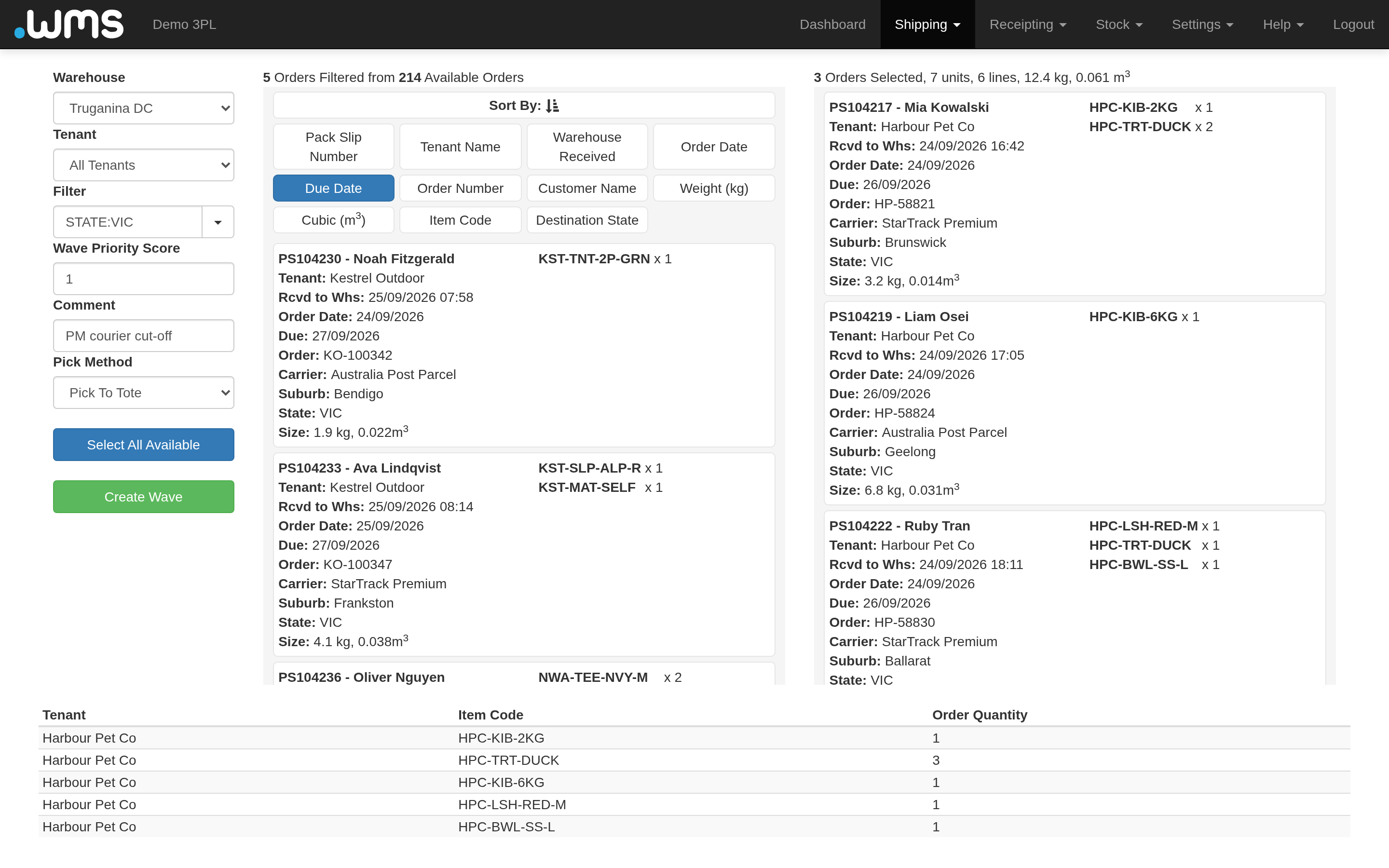
- Filter the pool. Warehouse, tenant and any order field, such as state.
- Choose how to pick. Pick To Tote, Pick To Order, Bulk and the other wave methods.
- See the wave before it exists. Orders, units, lines, weight and cube for the selection.
- Release it. Create Wave sends the work to the handhelds, or waves build themselves on a schedule.
Wave Builder, .wms web. Synthetic data. Shown at 72 percent.
What a rollout in months looks like
Enterprise suites measure rollouts in years. Most Thomax sites are live in months, because most of the work is choosing, not building.
Start on a template
Standard receiving, putaway, wave, pick, pack and carrier configurations for your operating model.
Configure the rest
Settings, screens and triggers change on screen, per warehouse and per client, not in code.
Connect without middleware
Published API schemas, ERP and commerce adapters, and event exports to your systems.
Cut over on your scanners
Native Android and iOS apps on Zebra, Honeywell, Datalogic and other devices you already own.
Where .wms fits, and where it does not
Built for
- 3PLs running many clients, each with its own rules, rates and portal
- High SKU counts with batch, serial and expiry control
- Stores, ecommerce and wholesale from one stock pool
- Automated sites with shuttles, conveyors, sorters or robotics
- Many warehouses and countries on one instance
Not in .wms today
- Returns authorisation and disposition as a module
- Slotting optimisation or periodic re-slottingInstead: velocity-aware placement at putaway, from three months of weighted sales.
- Labour standards and incentive payInstead: staff clock on and off activities, so time is recorded per task.
- Yard management and dock appointments
Everything the floor runs on
Ten capability areas. Each one is on the product today and has its own page.
Receiving
Advance shipment notices arrive by schema-validated API, Excel upload or ERP connector, and staff see an inbound pre-alert before the truck arrives. Receipts match line by line against purchase orders with an over-receipt tolerance, and can be captured per SSCC carton.
- 64 published XSD schemas
- Many pallets per receipt, sea-container types
- Batch and expiry captured at the dock
- Receipt per carton, raised as a charge
Inventory and traceability
Every pallet, carton or tote is its own licence-plated record, with location, contents, trackers and history across receiving, putaway, picking, counting, holds and billing. Stock can be held or released per unit or in bulk by batch or date range.
- Batch, serial and five date types
- Ten nameable custom trackers
- Holds with a reason, by UI or API
- Cycle counts and full stocktake, including RFID
Putaway and replenishment
Directed putaway recommends a bin by fixed location, dimension fit or cube fit, limited to the zones allowed for each item or client. Fast movers land near despatch because every bin has a distance factor and every item a popularity score.
- Pick faces replenished by demand or min and max
- Rolling velocity or a custom report
- Set per warehouse, client or item
- Runs on a schedule
Waves and picking
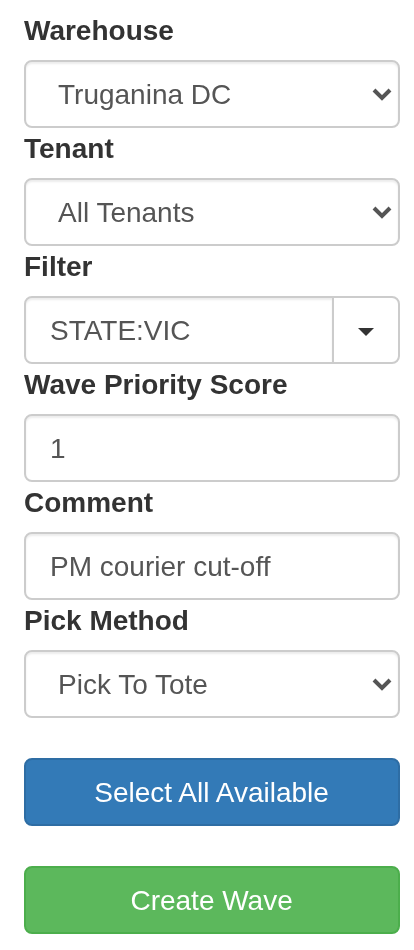
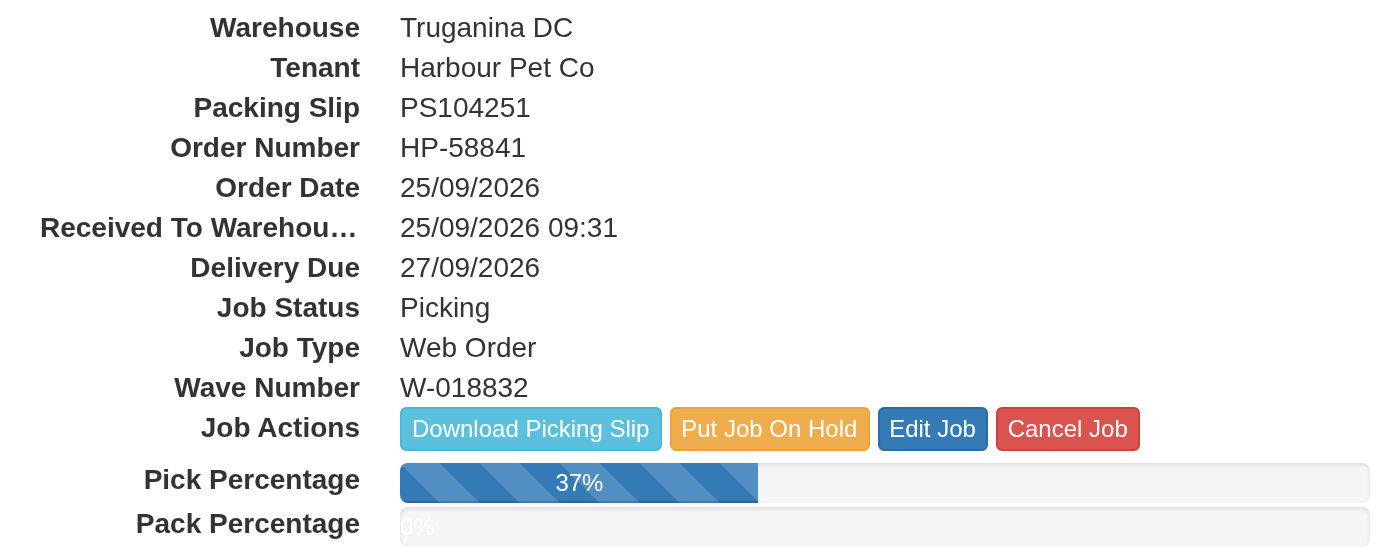
Eight pick methods chosen per order, so B2B accuracy and B2C speed run side by side in one building. Waves are built by hand in the Wave Builder or build themselves on a schedule by carrier and cut-off.
Packing and cartonisation
Ten pack methods run on the same job engine, so every activity is tracked and billable. Built-in 3D cartonisation chooses cartons from item dimensions, weight, keep-flat flags and fill percentage before picking starts.
- Carton, pallet and rainbow pallet
- Kitting and dekitting
- Put walls with SLA-aware priority
- Scales and dimensioners at the bench
Carrier shipping
One native carrier engine handles freight estimates, consignments, labels, dangerous goods data, SSCC numbering, cancellation and end-of-day manifests across every connected carrier. It can price eligible services and choose the cheapest for each job.
- Carriers in ANZ, the UK, Europe and North America
- 217 label templates
- Consolidate jobs for one consignee
- Estimates by API
3PL billing
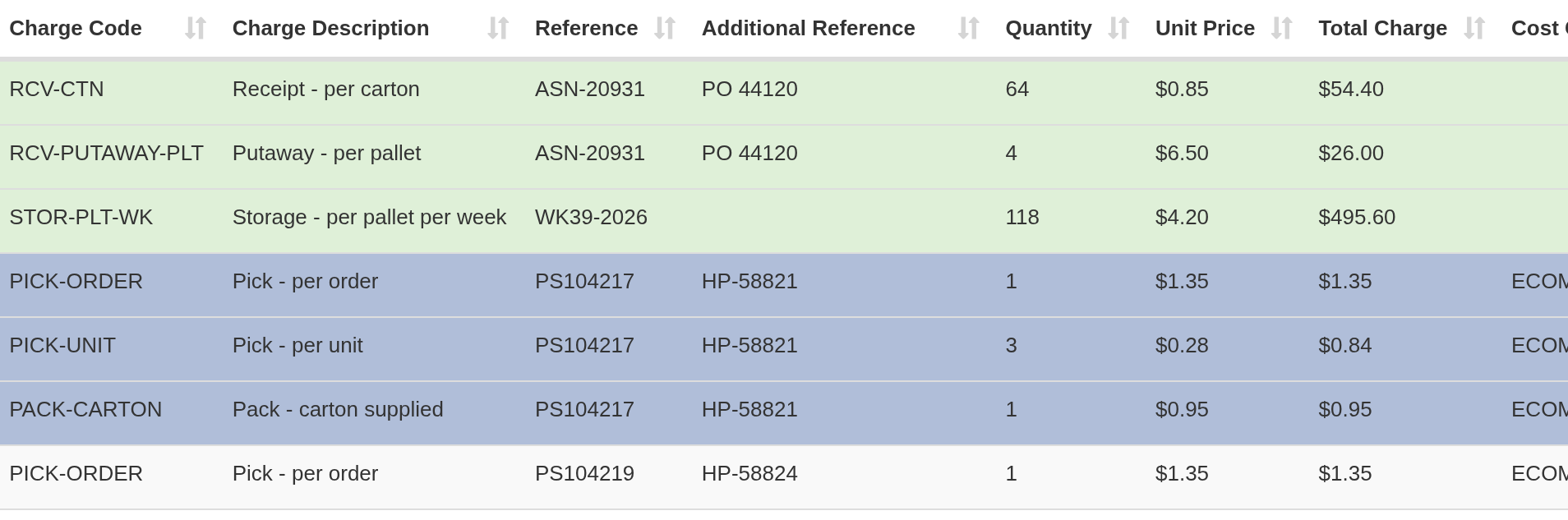
Charges are generated from the same transactions the warehouse executes: receipts, putaway, storage, picks and packing materials. Finance reviews and approves in bulk, and exports unbilled charges before month end.
Client portal
Your clients create and edit orders and receipts, follow jobs and connotes, and see stock by pallet and their reports. Teams, dollar and quantity caps, email approval, cost centres and two-factor sign-in are built in.
Mobility
A native Android app covers receiving, putaway, picking, packing, array sort, pack audit, stock moves, counts, kit confirm, manifests and label printing, with an iOS app alongside. It runs on the scanners you already own.
- Zebra, including RFID
- Honeywell and Datalogic
- CipherLab, Chainway, Urovo, Koamtac
- ProGlove wearables and camera scanning
Integrations and reporting
About 60 business events drive 87 export formats; 244 API handlers publish XSD schemas; Power BI connectors read the transactional tables and billing. Users build their own reports over 28 data sources and schedule them.
- NetSuite, SYSPRO, MYOB Acumatica
- Shopify, WooCommerce, Cin7 Core
- EDIFACT and X12
- Scheduled report libraries
Configured, not coded
About 1,580 settings resolve from the instance to the warehouse to the client. Two clients in one building can pick FEFO with photos and FIFO with a single scan.
- Screens. Database-defined pages run on web and handheld, so new capture steps ship without an app release.
- Triggers. Configured rules run against documents or on a schedule.
- Scope. Stock, orders, reports and billing are scoped per client and warehouse, across countries on one instance.
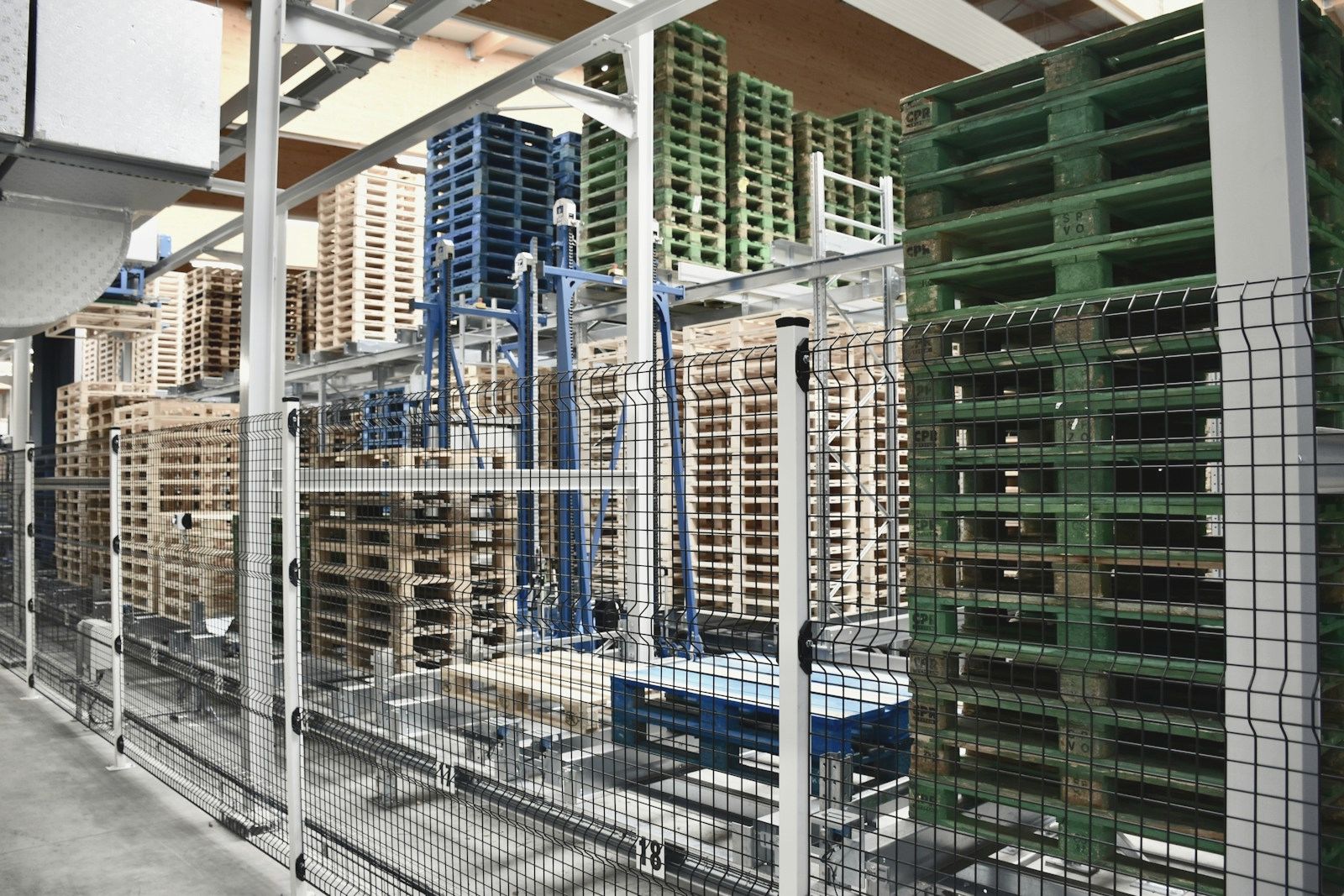
Automation and control, from the same team
We design, build and support the warehouse control system alongside .wms. Six site control projects delivered since 2023.
- Direct control. Pallet shuttles, lifts, conveyors and turntables.
- Machine protocols. Right-size packaging, automated packers, sorters and pick-to-light.
- White-box. Task steps, message logs both ways and equipment status, open to your engineers.
- Vendor-neutral. Integrated with Dematic, SSI Schaefer, Stow, Geek+, Locus Robotics and Modula.
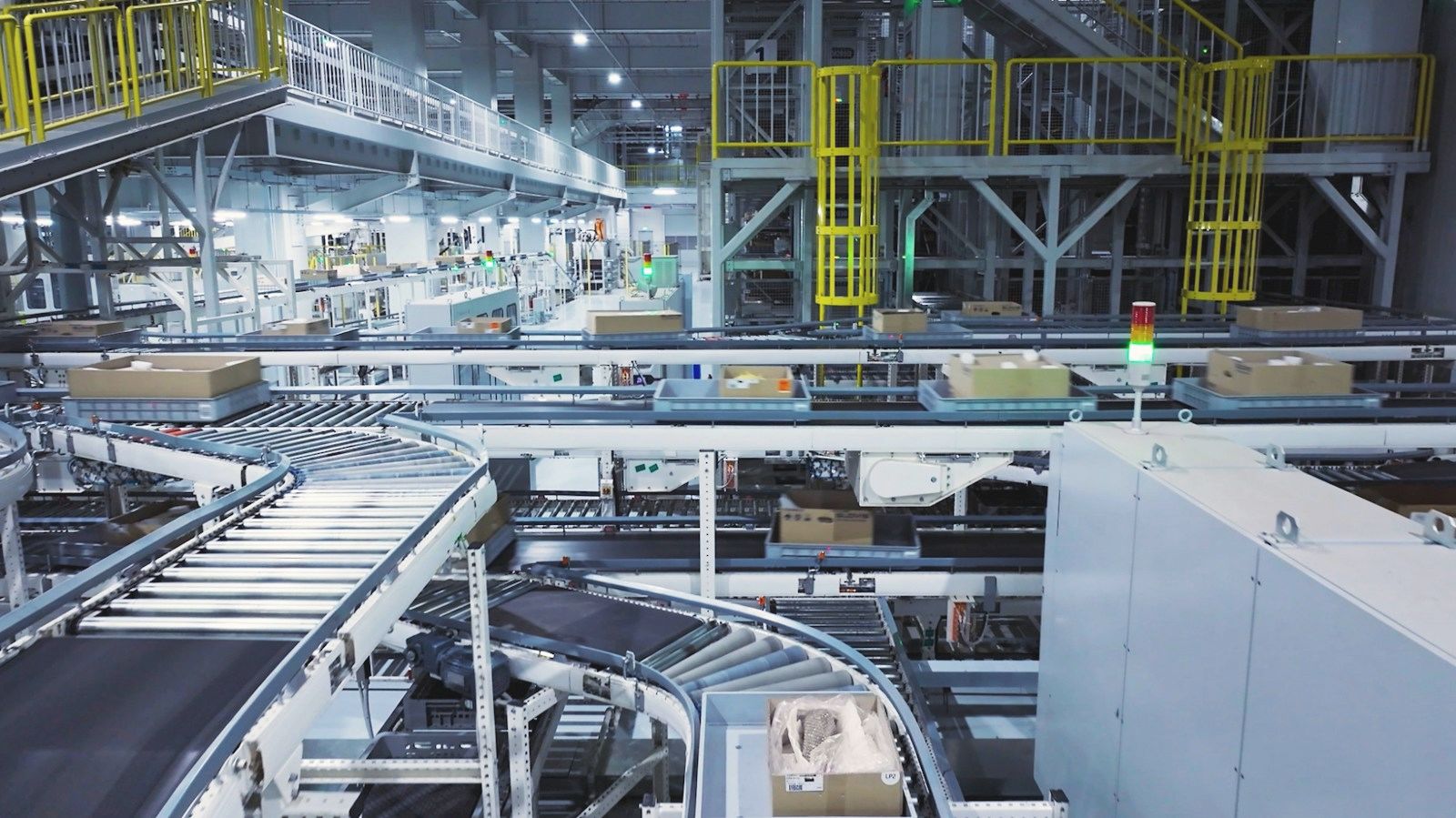
Illustrative photo, not a Thomax site.
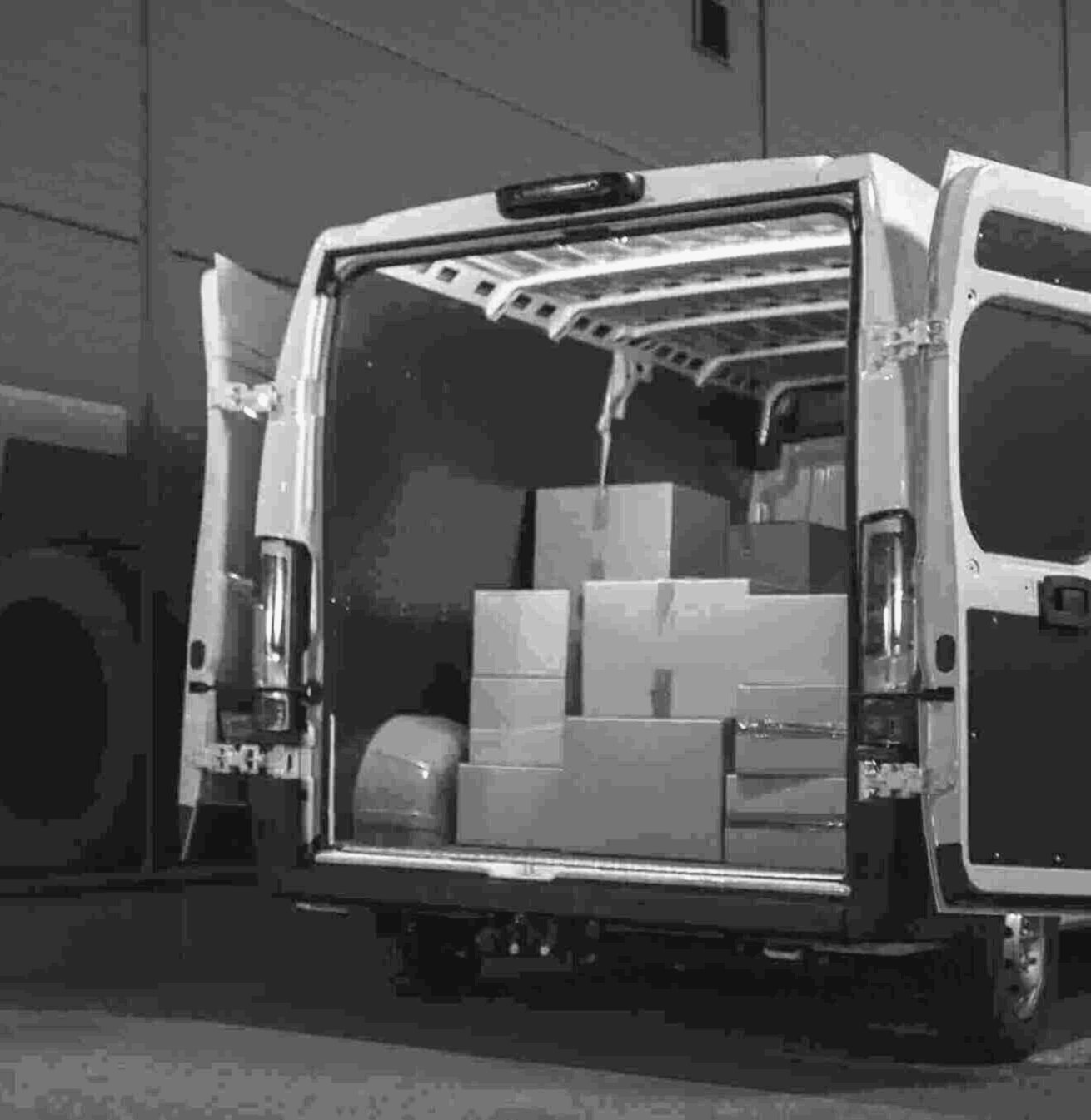
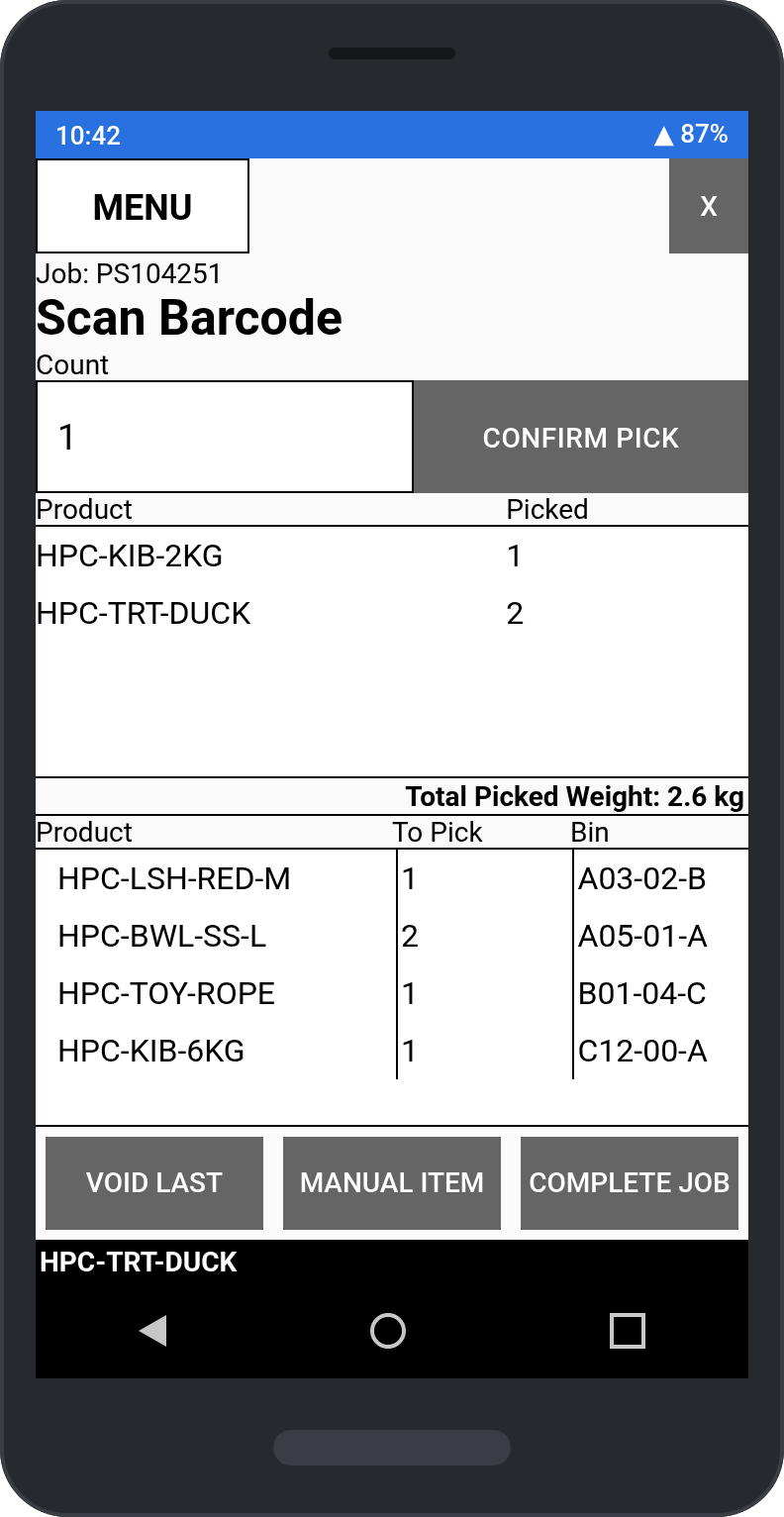
The app your floor uses on day one
Native Android and iOS apps on the scanners you already own. No device project before go-live.
- 16 scanner services. Zebra including RFID, Honeywell, Datalogic, CipherLab, Chainway, Urovo, Koamtac, ProGlove and generic Bluetooth, plus the camera.
- Every floor task. Receive, put away, pick, pack, array sort, audit, move, count, confirm kits, manifest and print labels.
- Exceptions handled. A short pick can block the bin, raise a cycle count and hold the wave for approval.
Access and audit controls
Sign-in
One sign-in routes each user to the right instance and to billing, with SAML single sign-on per identity provider and two-factor authentication.
Access by scope
Users are granted access per warehouse and per client, and clients see only their own stock, orders and charges.
Every change logged
Stock transactions log before and after trackers, quantity and reviewer; item changes log the user and the source.
Running on .wms
All customer stories- Booktopia
- Kitchen Warehouse
- Gazman
- Camilla
- Munro Footwear
- Serco
- Northline
- Knobby
-
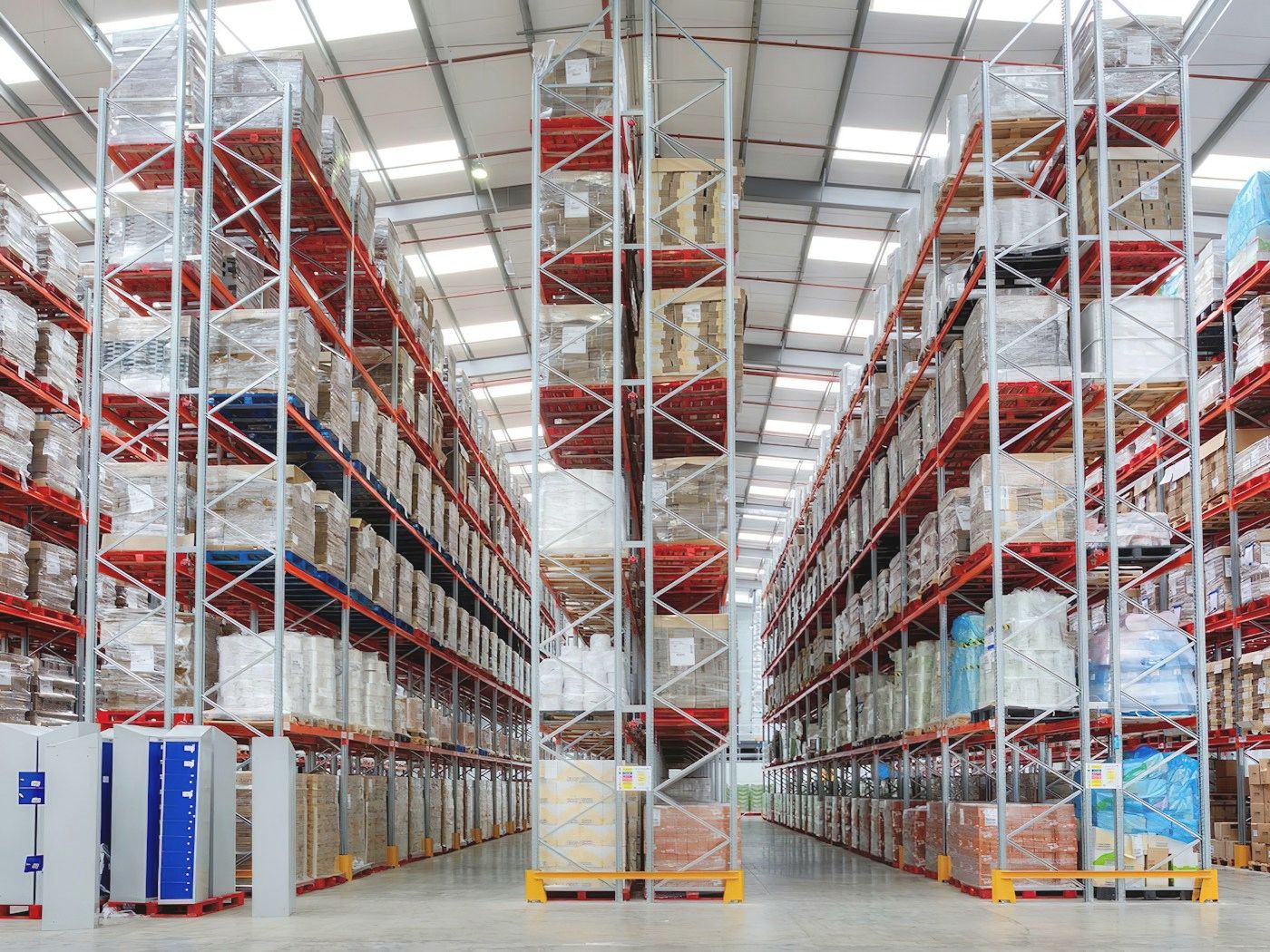
Kitchen Warehouse
Moved its Melbourne DC from paper picking to .wms, with store replenishment and ecommerce picked from one stock pool.
Read the story about Kitchen Warehouse -
KG Group
Separated warehouse and shipping from its ERP's listings and orders without rebuilding the ERP.
Read the story about KG Group -

Miniclipper Logistics
Selected .wms for its Leighton Buzzard and Burton upon Trent sites. The rollout runs 2025 to 2027.
Watch the video about Miniclipper Logistics
Card photos are illustrative, not customer sites.
See .wms run your order profile.
A demo on your operating model: the template you would start on, and the settings you would change.